
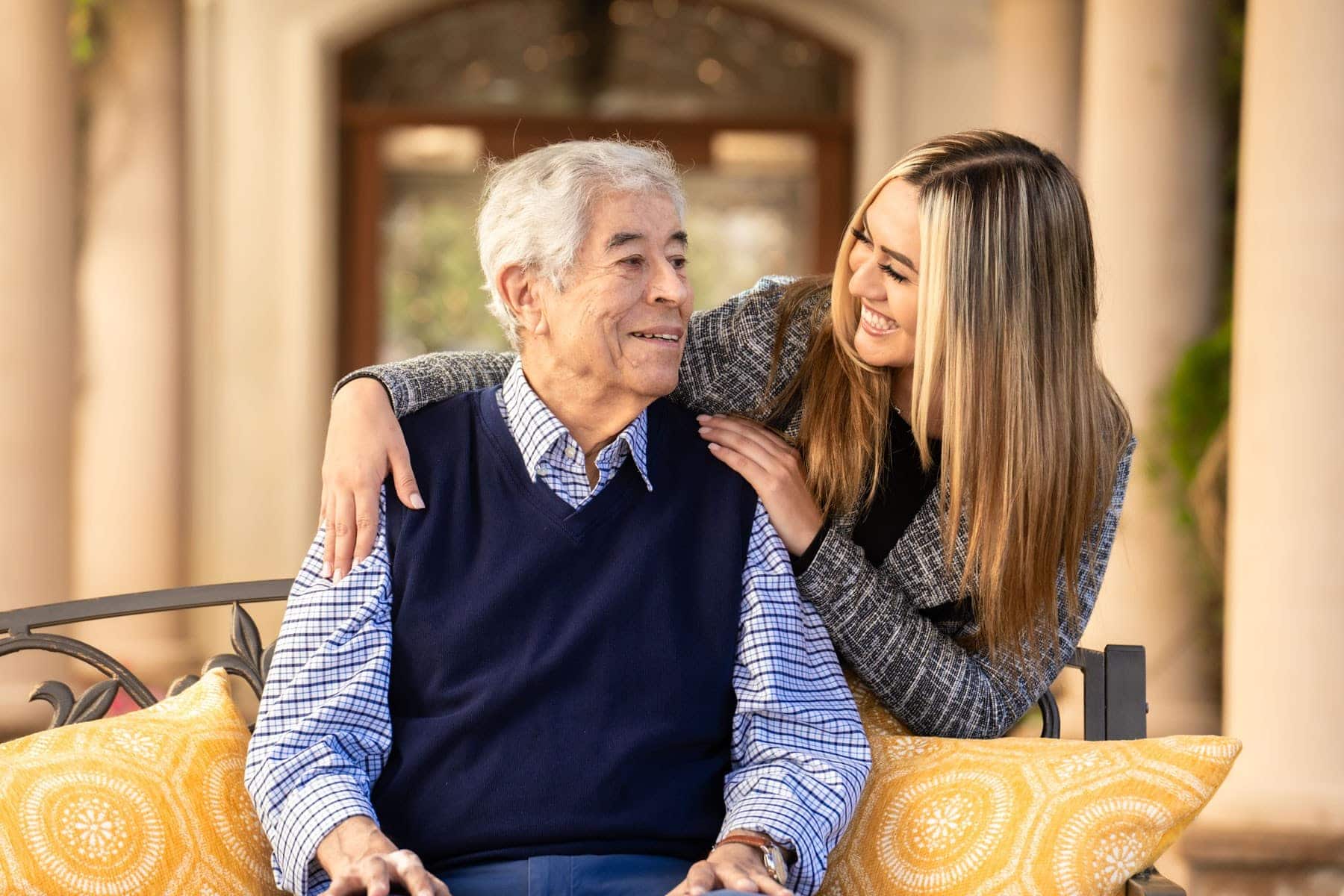
MCI Diagnosis & Approach: A Two-Part Series for Primary Care Physicians & Senior Living Professionals
Join Mehrdad Ayati, MD for an Informative Discussion on the Management of Behaviors Related to Dementia. Dr. Ayati brings a broad spectrum of practice and knowledge of general medicine and primary care in various settings, from office to Emergency room, acute and sub-acute care. Dr. Ayati is a strong advocate for his patients’ physical and mental health in addition to disease management and prevention.
During this presentation, Dr. Ayati will cover:
-
The diagnostic workup for MCI and evidence-based management strategies
-
Regulatory status for amyloid monoclonal antibodies in early Alzheimer’s disease
-
Early detection & how Primary Care Physicians are leading the pathway for eligible patients
-
Practical, safety, and financial considerations for patients and caregivers

- Sub-Headline Don't Miss this Two-Part Insightful Webinar
Speaker
-
Dr. Mehrdad AyatiGeriatric MedicineDr. Ayati, trained at UC Davis and Stanford University, is recognized for excellence in clinical teaching and leadership. He has held roles in emergency medicine, hospital care, and as a medical director for subacute, skilled nursing, memory care, and assisted living communities throughout Northern California. With broad expertise spanning primary care, emergency medicine, and acute and subacute settings, Dr. Ayati’s clinical and research focus centers on the physiology of aging and innovative, practical approaches to healthy aging. A strong advocate for patient-centered care, disease prevention, and mental and physical well-being at every age, he is an active member of the American Geriatrics Society committees and a Community Health Advisor for the Alzheimer’s Association. Dr. Ayati is the author of Paths to Healthy Aging, a frequent national and international speaker, an NPR and KQED guest expert, and a former U.S. Senate Special Committee on Aging witness. His passion lies in addressing overmedication, advancing end-of-life care awareness, and improving quality of life for older adults through education, advocacy, and meaningful policy solutions.
