


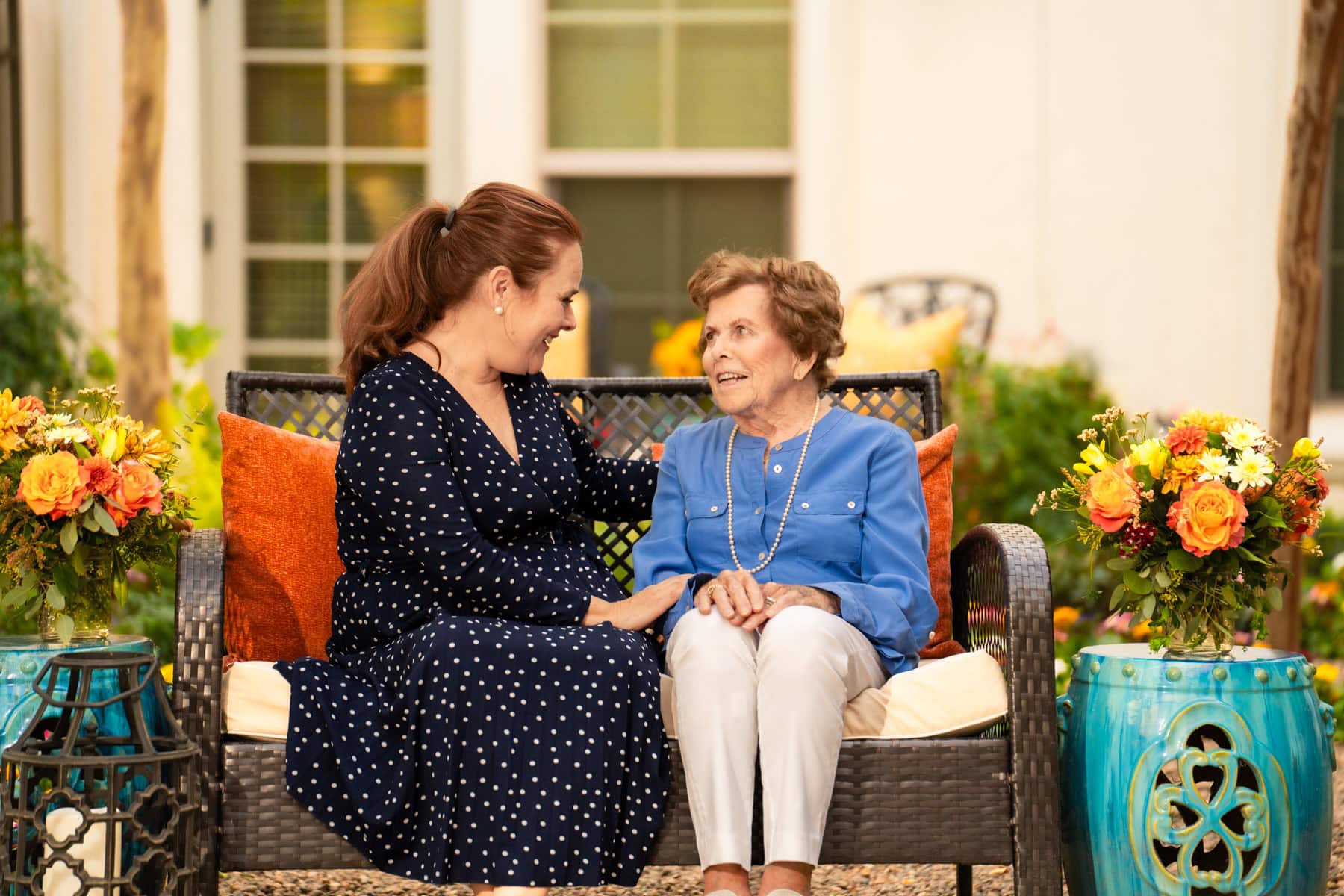
It is natural for memory to change with age. We all forget why we walked into a room, search for the right word, or misplace our glasses from time to time.
For many older adults, these lapses are simply part of normal aging and do not interfere with daily life. But sometimes families begin to notice that forgetfulness looks different: more frequent, more disruptive, or more concerning.
At Kensington Senior Living, we often hear from families who are unsure whether what they are seeing is normal memory loss or the early signs of dementia.
Our goal is to offer clarity and reassurance, so you can better understand what might be happening and explore support before a crisis develops.
When Forgetfulness Becomes Concerning
Normal aging usually involves mild forgetfulness that does not significantly change how a person manages everyday life.
For example, someone might occasionally forget an appointment but remember it later, take longer to learn something new, rely more on lists and calendars, or misplace an item and eventually find it.
These changes are common. They usually do not affect judgment, personality, or the ability to live independently.
By contrast, dementia involves changes in thinking and memory that gradually interfere with daily function.
Families may spot differences in how their loved one handles routines, interacts with others, or makes decisions. When memory problems move beyond “senior moments” and begin to affect safety, independence, or relationships, it is time to pay closer attention.
Earliest Signs of Dementia in Older Adults
Clinicians and dementia experts often point to a cluster of early changes that, taken together, may suggest more than normal aging.
These can include:
- Repeating questions or stories in a short span of time
- Struggling to follow familiar recipes, instructions, or multi-step tasks
- Losing track of dates, appointments, or important events
- Misplacing items in unusual places, such as putting keys in the refrigerator
- Getting turned around in familiar environments
- Having more difficulty handling money, paying bills, or managing accounts
- Withdrawing from conversations, hobbies, or social gatherings
- Noticeable changes in mood, such as increased anxiety, irritability, or sadness
Any one of these changes on its own does not automatically mean dementia. However, if you notice several of them showing up more often, it’s wise to bring your observations to a healthcare provider for further evaluation.
Mild Cognitive Change Support: The Importance of Early Intervention
Families sometimes hesitate to speak up because they do not want to worry or upset their loved one. Others fear that a diagnosis will change everything. It’s understandable to feel this way, but there are real advantages to seeking guidance early.
When cognitive changes are evaluated sooner rather than later, families can better understand what is happening, rule out other treatable health issues, and begin making care plans while a loved one can still participate in decisions.
If you’re looking for additional guidance on understanding memory changes and mild cognitive impairment, this reputable resource on memory loss and forgetfulness can be a useful starting point when deciding whether to speak with a healthcare provider.
What to Expect From a Memory Evaluation
A memory evaluation is typically led by a primary care physician, neurologist, geriatrician, or memory specialist.
While each provider has a slightly different approach, it often includes questions about medical history and daily routines, simple thinking and memory tests, and discussion about mood, sleep, and recent changes in behavior.
Sometimes additional testing, such as blood work or brain imaging, may be recommended to rule out other causes.
The goal is to gain a clearer picture of how your loved one is functioning and what kinds of support might help.
How Kensington Senior Living Supports Families Facing Early Dementia in Their Loved Ones
When a family receives news that a loved one may be in the early stages of dementia, emotions often run high. There can be worry, relief at finally having answers, and questions about what comes next.
Across Kensington Senior Living, our memory care programs are built on a foundation of compassion and respect.
The Kensington Difference
We recognize that every person’s story, abilities, and preferences are unique.
Our communities provide secure, thoughtfully structured environments where residents can receive support with daily needs while still enjoying meaningful connection and purpose.
For families, partnering with a memory care community can ease many of the worries that come with early dementia.
Knowing that your loved one is in a setting designed with safety, engagement, and specialized support in mind can bring comfort and peace of mind, even as needs change.
How to Start Transitioning a Loved One to Memory Care
Families often begin by asking questions or touring a community long before a move is made, and we welcome those early conversations.
We offer space to talk through concerns, helping families learn more about what memory care entails and begin imagining what the next chapter of support could look like for their loved one.
FAQ: Dementia Signs and Early Help
When is forgetfulness considered normal?
Mild, occasional forgetfulness that does not interfere with daily function is usually part of normal aging. If memory changes begin affecting safety, independence, or relationships, it’s important to speak with a healthcare provider.
What is the difference between memory loss and dementia?
Memory loss is a symptom. Dementia is a broader condition that involves ongoing changes in memory, thinking, and functioning that interfere with daily life.
Who should we talk to if we are concerned about early dementia?
A primary care doctor is often the best starting point. They may refer your loved one to a specialist, such as a neurologist or memory clinic, for further evaluation.
Can early dementia support improve quality of life?
Early support can help maintain safety, establish helpful routines, and connect your loved one with resources and environments better suited to changing needs.
Encouraging Proactive, Compassionate Care
If you are noticing changes in a loved one’s memory, you do not have to face your concerns alone. Paying attention to early signs and seeking guidance can open the door to clearer answers and planning.
Our teams at Kensington Senior Living are here to listen and help you explore whether memory care might be a supportive next step.
When you’re ready, we invite you to reach out to your nearest Kensington Senior Living community to ask questions. Learn more about how our communities care for those living with memory loss.