


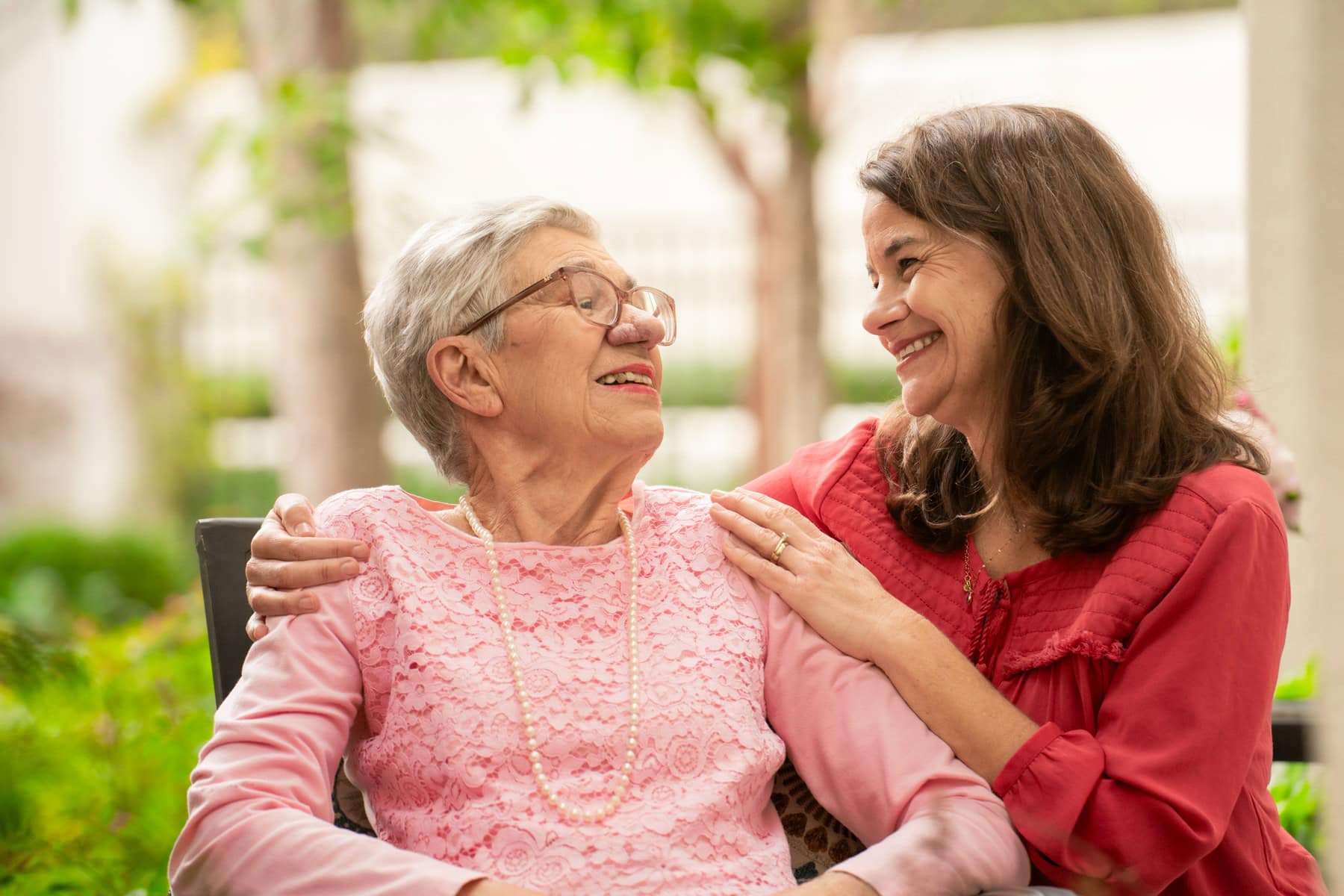
Falls are one of the most common causes of injury among older adults, but many slips and stumbles can be prevented. If you’re concerned about your loved one’s safety at home, you’ve already taken an important first step.
In this guide, our team shares steps, from immediate action to long-term changes, to protect your loved one and support their independence.
Our promise is to love and care for your family as we do our own.
Understanding the Urgency: Why Acting Fast Matters
Falls among seniors can lead to serious complications such as broken bones, head trauma, and reduced mobility.
Studies show that most senior falls occur at home during routine activities. Recognizing the signs of fall risk and responding swiftly can help reduce the likelihood of injury and long-term hospitalization.
Whether your loved one has experienced a fall or shown signs of instability such as dizziness, loss of balance, or difficulty walking, it’s crucial to address the risk immediately.
Step 1: Secure the Immediate Environment
When you suspect your loved one is at risk of falling, or worse, has just experienced a fall, the first priority is safety.
Assess for Injuries
If a fall has already occurred, check for signs of pain, bruising, or disorientation. Call emergency services if there is any doubt about injury.
Clear Hazards
Look around the environment and remove common fall risks:
- Loose rugs or cords
- Poor lighting
- Clutter in walkways
- Slippery floors
You can’t take back a fall once it happens, but you can try to stop it from occurring again. A fall prevention plan should be proactive rather than reactive.
Step 2: Evaluate Their Health and Medications
Falls often happen due to underlying medical conditions or side effects of medication. A sudden change in balance, confusion, or fatigue may indicate a more serious underlying issue.
Schedule a Doctor’s Appointment
Medical evaluation can help identify underlying causes, such as:
- Low blood pressure
- Dehydration
- Vision or hearing loss
- Medication interactions
Discuss the risk of falls with the healthcare provider, who may adjust prescriptions or recommend physical therapy.
Step 3: Start a Conversation About Safety
Talking about fall prevention can be emotionally sensitive. Seniors may fear losing independence, so it’s important to approach the conversation with empathy.
Try framing the discussion around your concern for their well-being, and focus on how small changes can help them maintain their independence for longer.
Read: How to Start the Conversation About Assisted Living With Your Loved One
Step 4: Implement Home Safety Solutions
Once the immediate risk is managed, work toward creating an overall safer home environment tailored to your loved one’s needs.
Modify Key Areas of the Home
- Bathroom: Add non-slip mats and grab bars.
- Stairs: Install handrails on both sides.
- Living areas: Ensure furniture is stable and walkways are clear.
Simple home modifications, such as installing grab bars in the bathroom and ensuring proper lighting throughout the house, can make a significant difference. Consider a full home safety evaluation with a professional if possible.
Step 5: Stay Connected and Informed
For many families, living far from a loved one makes fall prevention even more challenging. If you’re managing care from a distance, technology can help.
Use Remote Monitoring Tools
Medical alert systems and smart home devices can notify you if something goes wrong. Video calls and check-ins also help reduce feelings of isolation, which can contribute to falls due to depression or inactivity.
Long-Term Solutions to Prevent Senior Falls
- Promote Physical Activity: Encourage regular movement tailored to your loved one’s ability. Balance exercises, stretching, and light strength training can improve stability. Many local senior centers offer programs specifically designed to prevent falls.
- Consider Professional Care Options: Sometimes, professional help is the safest and most effective choice. In-home caregivers, physical therapists, or senior living communities provide trained assistance to reduce risks.
- Address Emotional Well-being: Fear of falling again can lead to inactivity, which in turn increases fall risk. Talk openly with your loved one about their concerns and help them feel confident in their daily routines.
When to Seek a Professional Assessment
If falls become frequent or if your loved one has recently experienced an injury from a fall, it may be time for a professional evaluation. This could include:
- Physical or occupational therapy
- Cognitive assessments
- A geriatric care manager consultation
Many communities also offer fall prevention workshops. Kensington Senior Living regularly hosts educational events at our communities, covering many common topics and concerns of caregivers of aging loved ones.
Empowering Yourself as a Caregiver
Being a caregiver is often overwhelming, especially when faced with emergencies. But by acting quickly and proactively, you can help your loved one avoid serious injury and regain confidence.
You’re not alone in this journey. Kensington Senior Living is here to help you support yourself as a caregiver while you’re supporting your loved one.
Final Thoughts: Be Prepared, Not Panicked
Acting fast when your loved one is at risk of a fall at home can make a life-saving difference.
Improving home safety, seeking medical advice, and starting the conversation about more supportive care, all contribute to the well-being of your senior loved one.
Help your loved one thrive in a secure, supportive environment by utilizing these strategies to prevent senior falls.
At Kensington Senior Living, we are more than caregivers, we’re partners on your journey.
Our heartfelt dedication and expert care help us live out Our Promise to love and care for your family as we do our own.
If you’re ready to explore a safer, more supportive environment for your loved one, we invite you to connect with our team. Contact Kensington Senior Living today to take the first step toward lasting peace of mind.